
How to Check Tire Pressure A Step-by-Step Guide
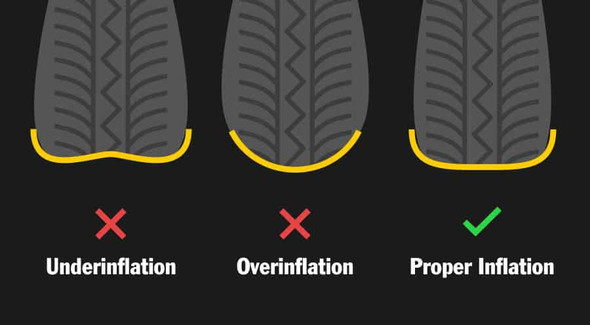
Your vehicle's tires are crucial for safe and efficient driving. Regularly checking and maintaining the proper tire inflation not only improves your car's performance but also enhances your safety on the road. This comprehensive guide will walk you through the step-by-step process of checking your tire pressure and keeping your car in top-notch condition.
Why Proper Tire Pressure Matters
Safety on the Road
Correctly inflated tires improve handling, braking, and overall vehicle safety. Underinflated or overinflated tires increase the risk of blowouts, accidents, or uneven tire wear.
Better Fuel Efficiency
Maintaining proper air pressure for tires ensures optimal contact between the tires and the road, reducing rolling resistance and improving fuel economy.
Extended Tire Lifespan
Regularly monitoring your tire pressure prevents uneven wear, helping you save money on replacements and ensuring longer-lasting tires.
Tools You Need to Check Tire Pressure
Before you start, gather the necessary tools to make the process smooth and accurate.
Tire Pressure Gauge
A tire pressure gauge is an essential tool for this task. You can choose from digital or analog gauges based on your preference and budget.
Aire Compressor
An air compressor (available at gas stations or for home use) is vital for inflating your tires if the pressure is low.
Vehicle Owner's Manual
Your owner’s manual contains information about the recommended tire pressure for your vehicle, usually listed in pounds per square inch (PSI).
Step-by-Step Guide: How to Check Tire Pressure
Step 1: Know the Recommended Tire Pressure
Locate the recommended tire pressure for your vehicle in the owner’s manual or the sticker inside the driver’s side door. This PSI value varies by car model and type of tires.
Step 2: Check Tire Pressure When Cold
Always check tire pressure when the tires are cold (before driving or at least three hours after parking). Driving heats the tires and can give inaccurate readings.
Step 3: Remove the Valve Cap
Locate the tire valve stem and unscrew the cap. Keep the cap in a safe place so you don’t lose it.
Step 4: Use the Tire Pressure Gauge
Press the tire pressure gauge firmly onto the valve stem until you hear a slight hiss. The gauge will display the current PSI reading. For digital gauges, the number will appear on the screen, while analog gauges will have a needle indicating the pressure.
Step 5: Compare the Reading
Compare the PSI reading with the recommended value. If the pressure is too low or high, adjustments are needed.
Step 6: Inflate or Delate as Necessary
If the pressure is low, use an air compressor to add air. Attach the compressor nozzle to the valve stem and add air in small increments, checking the pressure after each adjustment. If the pressure is too high, release air by pressing the valve stem pin gently.
Step 7: Replace the Valve Cap
After ensuring the correct tire pressure, securely replace the valve cap.
Step 8: Repeat for All Tires
Repeat the process for all four tires, including the spare if your vehicle has one.
Common Mistakes to Avoid
Forgetting the Spare Tire
Many drivers neglect to check their spare tire, which can leave them stranded in emergencies. Always ensure the spare is properly inflated.
Ignoring Seasonal Changes
Tire pressure fluctuates with temperature changes, dropping in cold weather. Check your tires more frequently during winter.
Relying Solely on TPMS
While the tire pressure monitoring system (TPMS) is helpful, it doesn’t always alert you to minor pressure changes. Manually checking your tire pressure is more accurate.
Tips for Long-Term Tire Maintenance
Check Tire Pressure Monthly
Make it a habit to check your air pressure for tires at least once a month or before long trips.
Rotate Tires Regularly
Rotating your tires ensures even wear, improving longevity and performance.
Inspect for Damage
Regularly inspect your tires for cuts, punctures, or uneven wear that might affect performance.
Invest in Quality Tools
Using a reliable tire pressure gauge and air compressor ensures accuracy and ease during your maintenance routine.
Benefits of Maintaining Proper Tire Pressure
Enhanced Safety
Keeping tires properly inflated reduces the risk of accidents caused by blowouts or poor handling.
Saves Money
Correct tire pressure improves fuel efficiency and extends the lifespan of your tires, saving you money in the long run.
Better Driving Experience
Well-inflated tires provide a smoother ride, reducing vibrations and improving overall comfort.
Conclusion
Regularly checking and maintaining the proper tire inflation is a simple yet essential step in ensuring your safety, saving money, and enhancing your driving experience. By following this step-by-step guide, you can confidently take control of your vehicle’s tire pressure and enjoy peace of mind on the road. Remember, a little effort today can prevent significant problems down the road.