
Tire Sidewall Guide: Size, Load Index & Speed Ratings
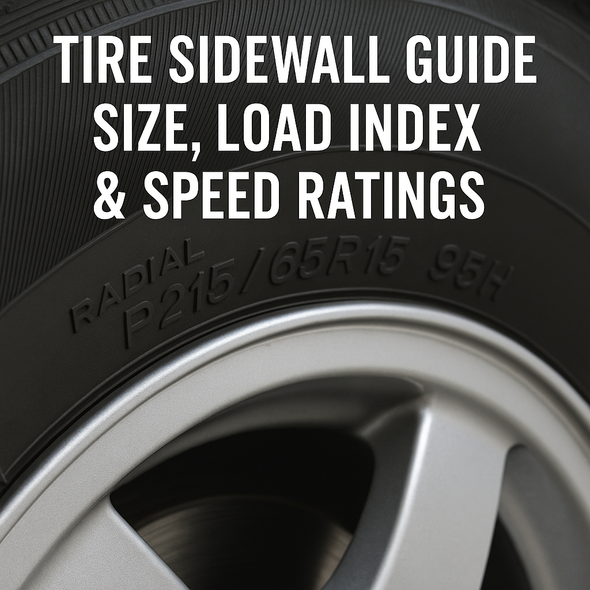
Have you ever glanced at the sidewall of your car’s tire and felt like you were trying to decode a secret message? Between the cryptic numbers, confusing letters, and strange symbols, it can feel like a language only mechanics understand. But reading a tire sidewall isn't just for the pros. It's something every driver should know.
Understanding what’s printed on the side of your tires helps you choose replacements, maintain safety, and maximize performance. Let’s decode the mystery together, one number at a time.
Why Understanding Your Tire Sidewall Matters
Safety, Performance, and Longevity
Your tire sidewall contains essential information that directly affects your vehicle’s safety and performance. Things like tire pressure, load capacity, and speed rating aren’t just technical specs. They impact how your car handles, brakes, and responds on the road.
Tire Specs at a Glance
Once you know what to look for, the sidewall code becomes your tire’s résumé. It tells you everything from how wide the tire is to how much weight it can carry. No need to dig through manuals or Google random tire numbers.
When You’ll Need This Info Most
You’ll want to read your tire sidewall when buying new tires, rotating or replacing wheels, or checking for proper inflation. It’s also helpful if you’re planning a road trip or switching between summer and winter tires.
Breaking Down Tire Size Codes
Let's take a common sidewall marking: P215/65R15 95H. Each part has a purpose.
What the Letter Prefix Means (P, LT, etc.)
The first letter indicates the tire type. "P" stands for "passenger" vehicle. "LT" is for light truck, which includes pickups and some SUVs. If there's no letter, it’s often a Euro-metric tire, used commonly on imported vehicles.
Width, Aspect Ratio, and Construction
In P215/65R15, the number 215 is the tire’s width in millimeters from sidewall to sidewall. The 65 is the aspect ratio, or the sidewall height as a percentage of the width. The "R" stands for radial construction, which is standard in modern tires.
Rim Diameter and What It Affects
The number 15 refers to the rim diameter in inches. This must match the wheel size of your vehicle. A tire with the wrong diameter won’t fit properly and can lead to unsafe driving conditions.
Metric vs. Imperial Markings
Most tire sizes use the metric system, but you may still see inch-based designations on specialty tires or older models. Knowing the difference can prevent you from buying the wrong set.
Common Myths About Tire Size
A bigger tire isn’t always better. Oversized tires can affect fuel economy and mess with speedometer accuracy. Always consult your owner’s manual or a certified technician before upsizing.
Understanding Load Index
What Is Load Index and Why It’s Crucial
The load index tells you how much weight a single tire can support when properly inflated. It’s usually found after the rim diameter and before the speed rating. In 95H, the 95 is the load index.
Load Index Chart and Real-World Examples
A load index of 95 means the tire can carry 1,521 pounds. Multiply that by four, and you get the total weight your tires can support. This is key if you’re towing, hauling, or carrying passengers regularly.
How to Match Load Index to Your Vehicle
Always match or exceed your vehicle’s recommended load index. Underrated tires can cause premature wear or failure, especially under stress.
Overloading Risks and Legal Issues
Driving with a lower load index than specified isn’t just dangerous. In some states, it may even be illegal. Insurance could deny claims if an accident is linked to improper tire ratings.
Load Index vs. Load Range
Load index is a numerical value. Load range, often labeled with letters like C, D, or E, refers to tire strength and ply rating. Commercial or off-road vehicles might require both to be factored in.
Demystifying Speed Ratings
What Speed Ratings Actually Mean
The speed rating is the maximum speed a tire can safely handle. It’s the letter at the end of the size code. In 95H, “H” is the speed rating, meaning the tire can safely go up to 130 mph under optimal conditions.
How They Affect Driving Performance
Higher speed ratings often mean better handling and braking at high speeds, but they may wear faster and cost more. Lower ratings usually prioritize comfort and longevity.
Speed Ratings for Common Vehicle Types
- T = 118 mph (common for sedans)
- H = 130 mph (sport sedans, family cars)
- V = 149 mph (performance vehicles)
- Z = 149+ mph (high-performance sports cars)
Mismatched Speed Ratings: What Could Go Wrong?
Using a tire with a lower speed rating than recommended can reduce stability, especially during emergency maneuvers. It may also void the tire warranty.
Safety Tips for High-Speed Rated Tires
If your tires have a high-speed rating, check air pressure and tread depth more frequently. These tires may be more sensitive to wear and require consistent maintenance.
Additional Sidewall Markings to Know
DOT Codes and Tire Age
The DOT code includes information about the tire’s manufacturer, factory location, and production date. The last four digits represent the week and year. For example, 4519 means the tire was made in the 45th week of 2019.
Traction, Temperature, and Treadwear Grades
These are part of the Uniform Tire Quality Grading (UTQG) system. They tell you how the tire performs in areas like wet traction, heat resistance, and longevity.
- Traction: AA, A, B, or C
- Temperature: A, B, or C
- Treadwear: A number, where 400 means double the lifespan of a 200 tire
M+S and 3PMSF Symbols for Weather Readiness
- M+S (Mud + Snow) indicates basic all-season performance
- 3PMSF (Three-Peak Mountain Snowflake) means the tire meets winter traction requirements
These help you know whether your tire is suited for snow, slush, or off-road terrain.
Country of Manufacture and Batch Codes
Some sidewalls include the country where the tire was made. Batch codes can trace recalls or manufacturing issues, which is useful for warranty claims.
When to Replace Based on Sidewall Info
Most experts recommend replacing tires every six years, regardless of mileage. Use the DOT code to check the age and inspect regularly for cracks, bulges, or uneven wear.
Real-Life Tips for Using Sidewall Info
Buying New Tires with Confidence
Knowing your tire size, load index, and speed rating empowers you to shop smarter. No more guessing or getting sold something you don’t need.
Checking Tires Before a Long Trip
Before any road trip, read the sidewall markings and inspect for wear, bulges, or age. It’s a quick way to avoid roadside emergencies.
Avoiding Common Tire Mistakes
Don’t mix tires with different speed ratings or load indexes. Keep the same specs on all four tires for the best performance and safety.
Communicating with Your Mechanic
Understanding tire terminology helps you have more productive conversations at the shop. It also helps you spot misinformation or upsells.
DIY Tire Inspection Made Simple
Make it a habit to check sidewall markings, pressure, and tread once a month. It only takes five minutes and could save you hundreds in repairs or replacements.