
Tire Load Index What It Is and Why It Matters
What is the Tire Load Index?
The tire load index is a numerical code that indicates the maximum weight a tire can safely carry when inflated to its recommended pressure. It’s part of the tire's specifications, usually found alongside other important details like size and speed rating on the sidewall.
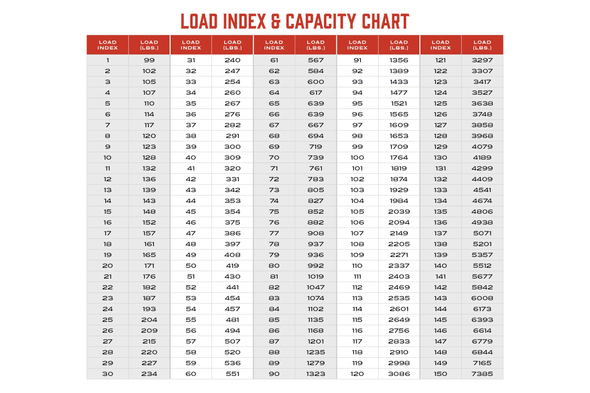
For example, in the marking 225/50R17 94V, the "94" represents the tire's load index. A load index of 94 corresponds to a maximum load capacity of 1,477 pounds per tire. When multiplied by the number of tires on your vehicle, this tells you the maximum weight your tires can handle.
The load index is closely tied to tire size and construction. Larger or more robust tires typically have higher load indices, while smaller or lighter tires have lower indices. It's essential to match the load index of your tires to the weight of your vehicle and any additional cargo.
Why the Tire Load Index Matters
Ignoring the tire load index can lead to a host of problems, many of which can jeopardize your safety. Here's why it’s critical to get this right:
Prevent Premature Tire Wear
Tires with a lower load index than required will wear out much faster. They’re not designed to handle the stress of excess weight, leading to uneven tread wear and reduced lifespan.
Maintain Vehicle Handling
An incorrect load index can negatively impact your vehicle's handling, especially during sharp turns or sudden stops. Proper tire load capacity ensures optimal contact with the road.
Improve Fuel Efficiency
Tires that match your vehicle’s weight requirements help reduce rolling resistance, which can improve fuel economy. Overloaded tires can increase drag and burn more fuel.
Avoid Tire Blowouts
Overloading tires beyond their capacity increases the risk of a blowout, especially during high-speed driving. Blowouts can lead to dangerous accidents and costly repairs.
Stay Legal
In many regions, it’s illegal to use tires with a load index lower than the manufacturer’s specifications. Sticking to the recommended index ensures compliance and avoids fines.
How to Read the Tire Load Index
Reading the load index is easier than you might think. Here’s how to decode it step-by-step:
Locate the Tire Marking
Check your tire’s sidewall for a code like 205/65R15 92H. The number “92” is the load index.
Reference a Load Index Chart
Use a chart to determine the corresponding weight capacity for the load index number. For instance, a load index of 92 equals a maximum load of 1,389 pounds per tire.
Match to Your Vehicle
Cross-reference this weight capacity with your vehicle’s requirements, typically found in the owner’s manual or on a sticker inside the driver’s door.
Common Tire Load Index Mistakes
Even seasoned drivers can make mistakes when it comes to the load index. Here are some pitfalls to avoid:
Using a Lower Load Index
This can lead to underperformance, rapid wear, and safety hazards.
Mismatched Tires
Mixing tires with different load indices can cause handling issues and uneven wear.
Overloading the Vehicle
Even with the correct load index, overloading your vehicle can strain the tires. Always consider the total weight, including passengers and cargo.
Seasonal Tire Oversights
When switching to winter or off-road tires, ensure they match or exceed the load index of your regular tires.
How to Choose the Right Tires for your Vehicle
Selecting the right tires starts with understanding your vehicle’s needs. Follow these steps:
Consult the Owner's Manual
Look for the recommended tire size, load index, and speed rating.
Assess Your Driving Habits
If you frequently carry heavy loads or drive on rough terrain, opt for tires with a higher load index.
Seek Professional Advice
A trusted tire shop can guide you in selecting the perfect tires based on your vehicle’s specifications and driving conditions.
FAQs About Tire Load Index
Can I use a tire with a higher load index?
Yes, but it may result in a harsher ride as higher load index tires are often stiffer.
What happens if I exceed my tire’s load capacity?
Exceeding the load capacity can cause the tire to overheat, leading to a blowout.
Is the load index related to the speed rating?
While separate specifications, they work together to ensure your tire performs safely under specific conditions.
Conclusion
The tire load index is more than just a number—it’s a vital aspect of your vehicle’s safety and performance. Understanding this specification ensures your tires can handle the weight of your vehicle and any additional cargo. Whether you’re replacing old tires or upgrading to new ones, always prioritize the correct load index for peace of mind and optimal performance.
Take a moment to check your tires today. If you’re unsure, consult your owner’s manual or reach out to a trusted tire professional. Your safety, comfort, and vehicle’s performance depend on it.